 English



We use cookies to offer you a better browsing experience, analyze site traffic and personalize content. Part of the tracking is necessary to ensure SEO effectiveness,
By using this site, you agree to our use of cookies.
Visit our cookie policy to learn more.
Warehouse Shelving Systems: The Backbone of Efficient Philippine Logistics
May 09 , 2026
Table of Content
[Hide]
In the dynamic logistics and supply chain landscape of the Philippines, warehouse shelving systems aren’t just pieces of equipment—they’re essential infrastructure that keeps businesses running smoothly across the archipelago. From small local enterprises using light-duty shelving to large distribution centers relying on heavy-duty racking, these adaptable systems are tailored to address the unique logistical challenges of the Philippines: they support seamless goods movement between islands, make the most of limited warehouse space in urban areas, and boost operational reliability for businesses of all sizes. This article takes a closer look at how customized warehouse shelving systems enhance space utilization, streamline inventory management, and improve workflow efficiency—serving as a foundational solution for Philippine warehouses and logistics hubs nationwide.
Strategic Layout to Maximize Storage Space Efficiency One of the biggest advantages of warehouse shelving systems is their ability to unlock the full potential of available storage space—a critical feature in the Philippines, where land is often scarce and costly in urban and industrial zones.
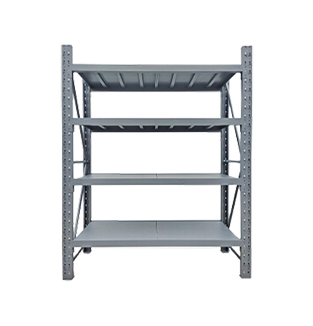
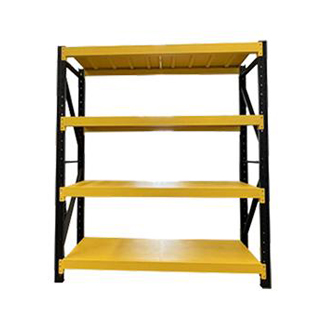
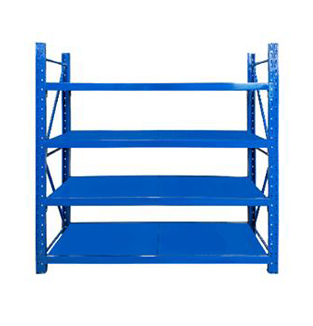
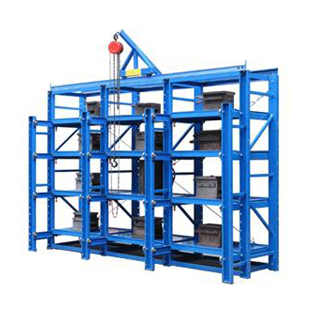
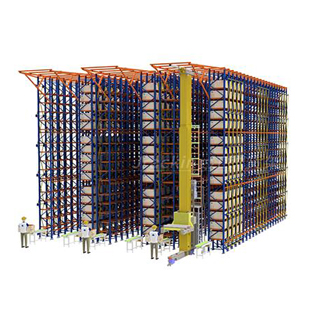
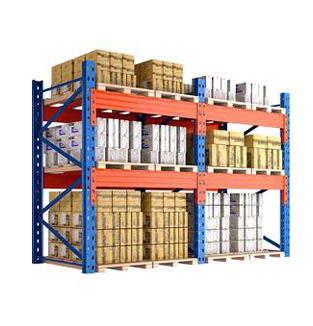
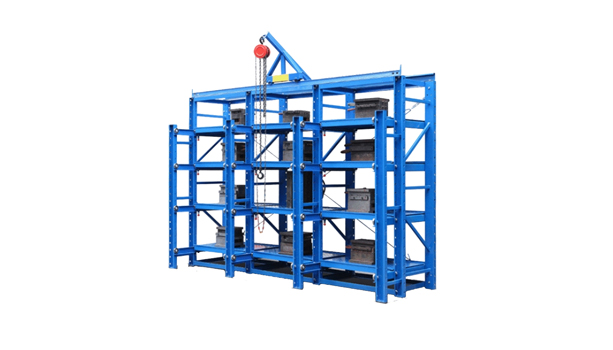
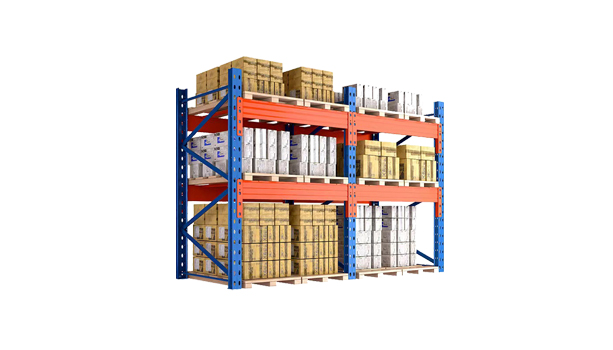
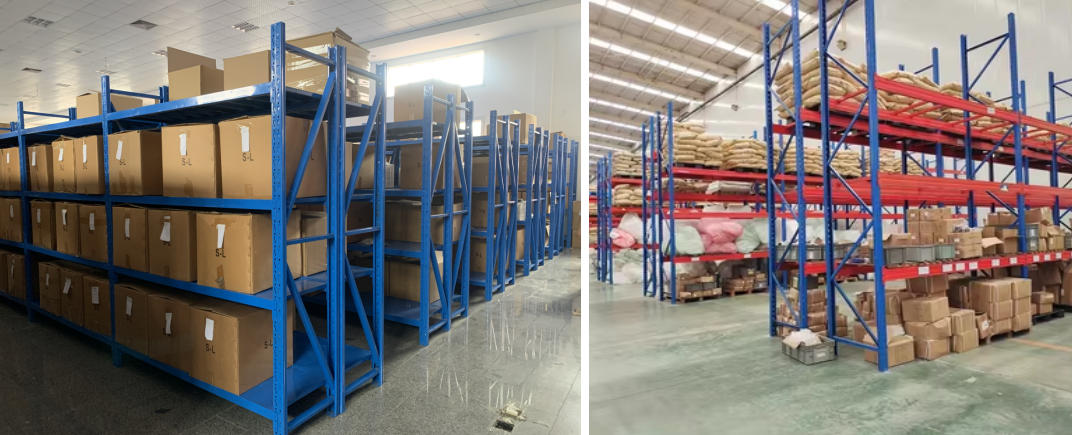
In many traditional Philippine warehouses, goods are still stacked directly on the floor: this wastes valuable space, leads to damaged inventory (especially for fragile or perishable items), and makes it hard to keep things organized. Modern shelving systems change this by making smart use of vertical space, turning flat, underutilized storage areas into high-capacity vertical storage and significantly increasing how much can be stored per square meter. What makes these systems so effective for Philippine businesses is their adaptability to local needs. Different types of racking systems are designed to solve specific storage challenges: heavy-duty beam racks are perfect for palletized cargo, which is common in wholesale and manufacturing sectors across Manila, Cebu, and Davao; drive-in racks offer dense storage for fast-moving consumer goods (like the snacks and household items that fly off shelves in local markets); mezzanine racks double usable space without the need for expensive warehouse expansion; and modular racks can be rearranged easily to fit different product sizes, from small electronics to large industrial parts. By aligning shelving layouts with the typical dimensions of Philippine warehouses and the flow of local operations, businesses can maximize space usage, cut down on rental costs, and store more goods without having to relocate or build new facilities.
Structured Storage for Accurate and Streamlined Inventory Management Efficient inventory management is make-or-break for Philippine enterprises, especially those dealing with cross-island distribution or fast-turnover products.
Warehouse shelving systems create a structured, traceable storage environment that minimizes errors and delays—something that’s hard to achieve in the manual, unsheltered storage setups still common in smaller Philippine warehouses. In those unorganized spaces, inventory tracking is prone to mix-ups, misplacement, and stock discrepancies, which can disrupt order fulfillment and throw supply chains off track. Shelving systems fix this by enabling clear zoning, categorization, and labeling: each product has a designated spot, so staff can quickly locate items and keep accurate stock records. When paired with the basic inventory logs many small Philippine businesses use, or the digital warehouse management tools increasingly adopted by larger logistics hubs, labeled shelving locations make real-time stock visibility a reality. Regular inventory checks become faster and more reliable, reducing overstocking (which ties up capital) and stockouts (which lose customers)—issues that are especially costly for temperature-sensitive goods (like fresh produce from provinces) and fast-moving items (like beauty products or electronics). This structured approach doesn’t just improve inventory accuracy; it also supports smoother procurement, faster order processing, and more reliable delivery across both domestic and regional distribution chains in the Philippines.
Boosted Workflow Efficiency for Reliable Warehouse Operations Efficient material handling is vital in Philippine warehouses, where timely cargo movement keeps retail, manufacturing, and food and beverage supply chains running.
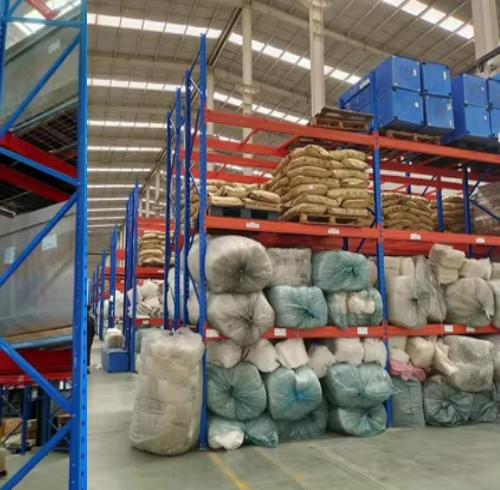
Warehouse shelving systems are engineered to work seamlessly with the handling equipment commonly used in the Philippines—think forklifts, hand pallet trucks, and stackers—reducing the need for manual labor and speeding up day-to-day operations. No more struggling to move heavy boxes by hand or wasting time searching for misplaced items: standardized rack dimensions mean equipment can access goods quickly, cutting down on storage and retrieval time. Well-planned aisle layouts also play a big role in keeping operations smooth. In busy Philippine warehouses—where multiple teams might be handling inbound, outbound, and picking tasks at the same time—clear aisles minimize congestion and delays. For e-commerce businesses, micro-distribution centers serving urban areas, and provincial warehouses supporting local retailers, organized shelving cuts down on picking and packing time, which speeds up order fulfillment and keeps customers happy. By reducing manual handling, these systems also lower the risk of product damage—saving businesses money on lost or broken inventory—and support consistent, efficient workflows that match the fast-paced rhythm of Philippine business.
Flexible and Scalable Solutions for Growing Philippine Enterprises Adaptability is key for Philippine businesses, which often face fluctuating demand (like seasonal peaks during holidays or harvest seasons) and gradual expansion as they tap into new markets.
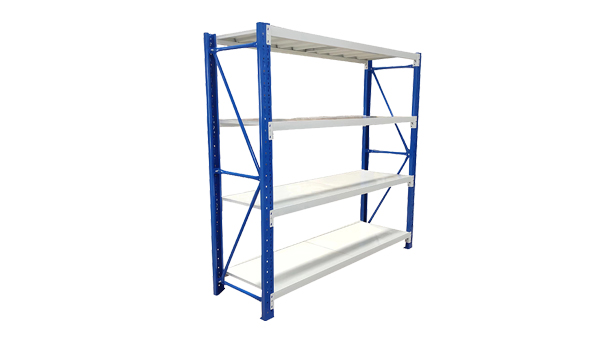
Warehouse shelving systems offer the flexibility and scalability needed to keep up with these changes. Most systems use boltless, modular designs, which mean they can be installed quickly, reconfigured easily, and adjusted in height—perfect for when inventory types or volumes change. For example, a small business in Cebu that starts with light-duty shelving for small products can add more units or switch to heavy-duty racking as it grows, without having to replace its entire storage setup. Whether it’s a small warehouse in Manila’s industrial districts, a mid-sized facility in Cebu serving the Visayas, or a large logistics center in Davao supporting Mindanao’s manufacturing sector, shelving solutions can expand incrementally as businesses grow. This scalability eliminates the need for expensive full infrastructure overhauls, making them a cost-effective choice for both small and medium-sized enterprises (SMEs) and large corporations in the Philippines. Shelving systems can adapt to new product lines, increased stock levels, and shifting operational needs, ensuring they remain useful and valuable for years to come.
Enhanced Workplace Safety for Philippine Warehouse Environments Safety is a top priority in Philippine warehousing, and quality shelving systems play a crucial role in creating secure, orderly working conditions.
Built from durable steel with strong load-bearing capacity, these shelves prevent the collapses, falling goods, and accidents that are all too common in disorganized storage areas. Clear aisles and designated storage zones reduce the risk of slips, trips, and collisions between handling equipment and staff—protecting both employees and valuable inventory. These systems are also designed to meet the practical safety standards for Philippine industrial settings, supporting safer daily operations and reducing downtime from accidents. Easy maintenance and regular inspections help keep shelves in good condition, ensuring they maintain their structural integrity over time. The result is a secure workplace that supports employee well-being and keeps business operations running without costly interruptions.
Conclusion Warehouse shelving systems are more than just storage equipment—they’re indispensable to modern Philippine logistics.
By optimizing space utilization, enabling precise inventory control, boosting workflow efficiency, and enhancing workplace safety, these systems deliver reliable, cost-effective solutions for enterprises of all sizes. Tailored to the archipelago’s unique logistical challenges—from limited urban space to cross-island distribution—they help businesses navigate the demands of today’s market. As Philippine supply chains continue to expand and modernize, investing in well-designed warehouse shelving systems has become a strategic move for businesses looking to strengthen their operational competitiveness, reduce costs, and support sustainable growth. For any business operating in the Philippines—whether a small local shop or a large logistics firm—advanced shelving systems aren’t just a tool; they’re a foundation for success in the dynamic world of Philippine logistics.

References