 English



We use cookies to offer you a better browsing experience, analyze site traffic and personalize content. Part of the tracking is necessary to ensure SEO effectiveness,
By using this site, you agree to our use of cookies.
Visit our cookie policy to learn more.
What Is Gondola Shelving and Why Retailers Use it?
Jun 15 , 2026
Table of Content
[Hide]
Gondola shelving is a modular retail display system widely used in convenience stores, supermarkets, pharmacies, liquor stores, hardware stores, pet shops, and many other retail environments. Designed to maximize product visibility while keeping merchandise easily accessible to shoppers, gondola shelving has become one of the most popular fixture solutions in modern retail stores.
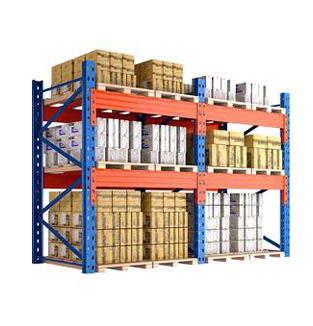
Unlike standard warehouse shelving or pallet racking systems that focus on storing palletized inventory, gondola shelving is specifically designed for customer-facing product displays. It combines flexibility, durability, and merchandising efficiency, making it ideal for showcasing packaged goods, beverages, personal care products, tools, snacks, and countless other retail items.
Gondola Shelving Accessories
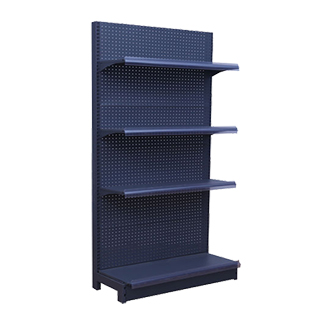
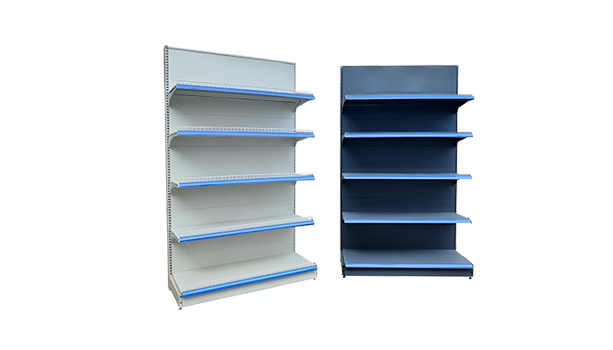
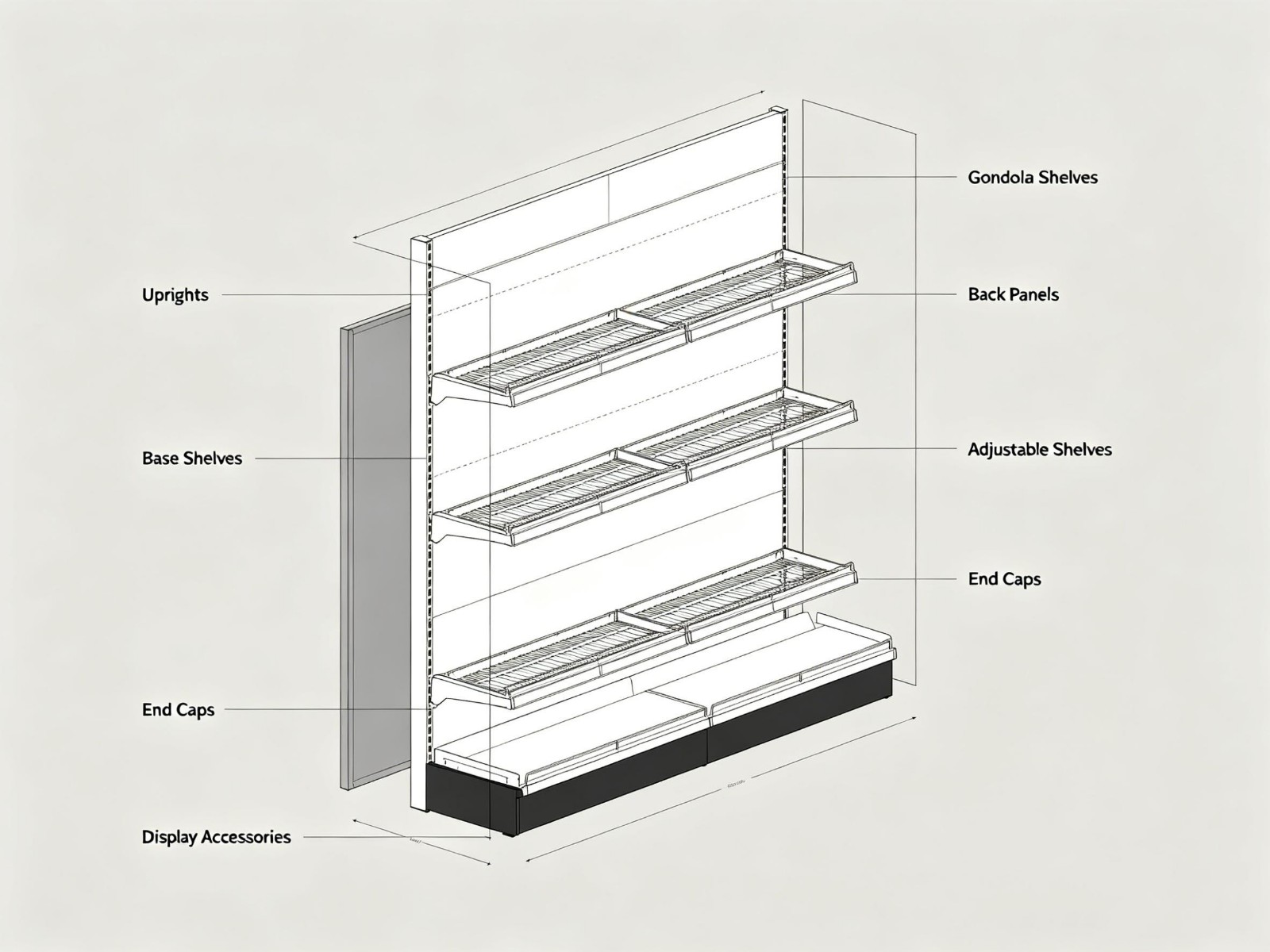
A typical gondola shelving system consists of uprights, base shelves, back panels, adjustable shelves, end caps, and various display accessories. Because shelves can be repositioned as product assortments change, retailers can easily adapt layouts to seasonal promotions, new product launches, or changing customer preferences.
For retailers looking to improve store organization, optimize floor space, and enhance the shopping experience, gondola shelving remains one of the most versatile and cost-effective retail fixture solutions available today.
Main Types of Gondola Shelving
Wall Gondola Shelving
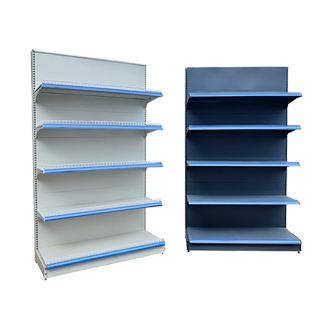
Wall gondola shelving is installed along the perimeter walls of a store and is designed to maximize vertical merchandising space. Because these units typically offer greater height than center-store fixtures, they are ideal for displaying a wide range of products while keeping aisles open and uncluttered.
Retailers commonly use wall gondola shelving for categories that require extensive product selection, such as beverages, health and beauty products, pet supplies, automotive accessories, and packaged foods. Taller wall units can also help showcase premium products and improve category organization. Wall gondola shelving is available with solid back panels, pegboard backs, slatwall panels, or wire grid designs. Adjustable shelves, hooks, baskets, and signage holders can be added to accommodate changing inventory and promotional displays.
Double-Sided Gondola Shelving (Island Units)
Double-sided gondola shelving, often called island shelving, is positioned in the center of retail spaces to create customer shopping aisles. These units provide display surfaces on both sides, allowing retailers to maximize product exposure while making efficient use of valuable floor space.
Island gondola shelving is widely used in supermarkets, convenience stores, pharmacies, hardware stores, and discount retailers. Products can be organized by category, brand, or promotional theme, helping customers navigate the store more easily. Compared with wall shelving, double-sided gondolas are typically lower in height to maintain visibility across the store.
Retailers often combine multiple starter and add-on units to create long merchandising runs that guide customer traffic through key product categories. For stores seeking flexibility, island units can be easily reconfigured as product assortments, seasonal campaigns, or store layouts change.
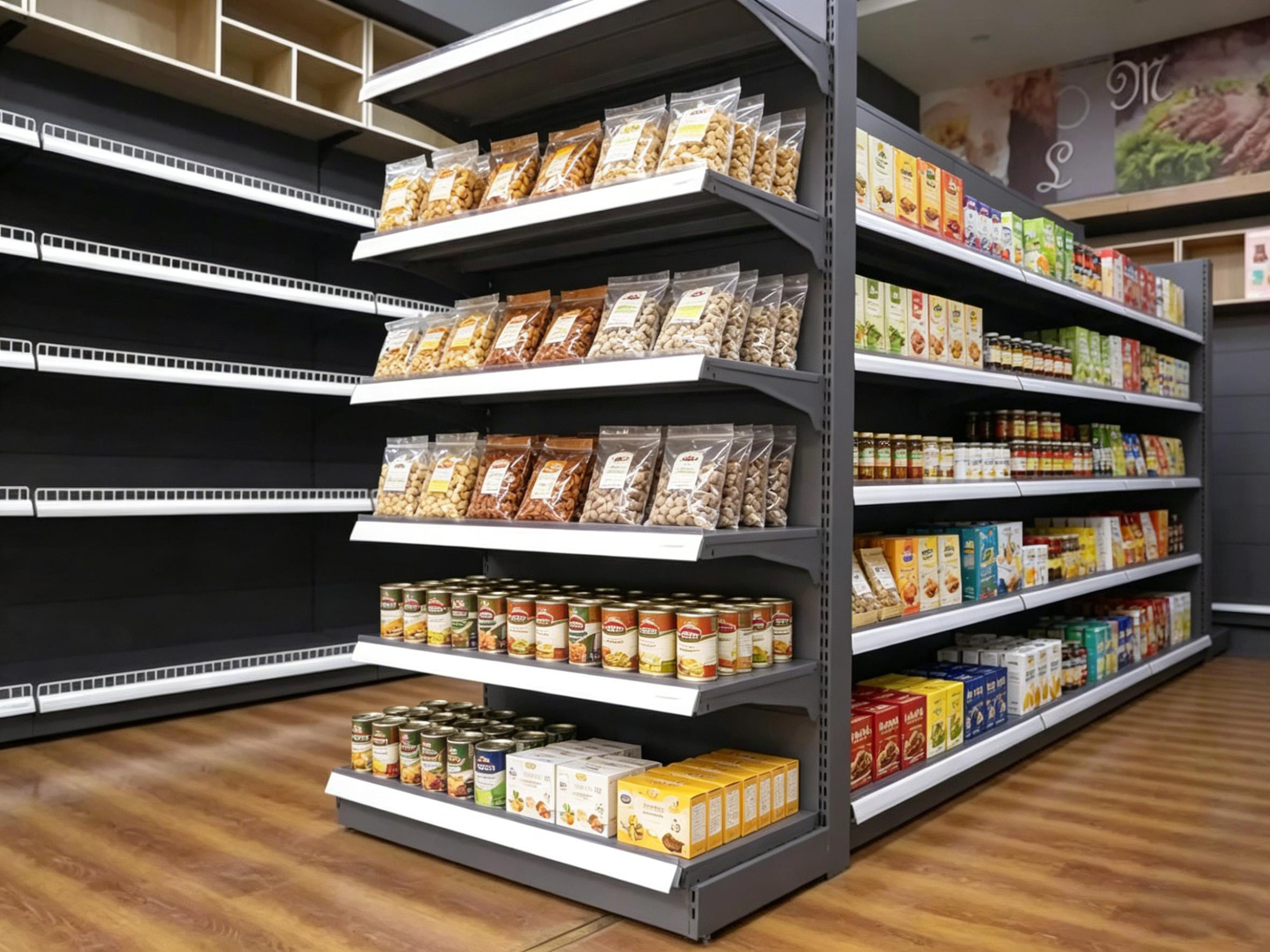
End Cap Gondola Shelving
End caps are positioned at the ends of gondola aisles and are highly effective for promotional displays, seasonal merchandise, impulse purchases, and featured products.
Modern gondola shelving systems are available in numerous configurations and finishes, including:
Steel gondola shelving
Wood-grain gondola shelving
Slatwall back panels
Pegboard back panels
Grid panel displays
Black, white, platinum, and custom color finishes
Retailers can further customize displays with gondola shelving accessories such as:
Display hooks
Shelf fences
Price tag holders
Wire baskets
Product dividers
Sign holders
Light boxes
Promotional display panels
These customization options help retailers create visually appealing and highly functional merchandising environments.
Gondola Shelving Dimensions
Understanding gondola shelving dimensions and load capacity is critical when selecting the right retail fixture system.
| Specification | Standard Options |
| Gondola Shelving Heights | 48 inches (1220 mm) |
| 54 inches (1370 mm) | |
| 60 inches (1525 mm) | |
| 72 inches (1830 mm) | |
| 84 inches (2135 mm) | |
| Gondola Shelving Widths | 24 inches (610 mm) |
| 36 inches (915 mm) | |
| 48 inches (1220 mm) | |
| Gondola Shelving Depths | 13 inches |
| 16 inches | |
| 19 inches | |
| 22 inches | |
| 25 inches |
Base shelves are usually deeper than upper shelves to provide greater stability and accommodate larger products. Actual dimensions may vary among gondola shelving manufacturers.
How Much Weight Can Gondola Shelving Hold?
Weight capacity depends on shelf size, steel thickness, reinforcement design, load distribution, and installation method. Heavy-duty retail gondola shelving can support substantial product loads, but retailers should always follow manufacturer specifications rather than relying on general estimates.
To maintain safety and long-term performance, retailers should follow several best practices:
Place heavier products on lower shelves.
Distribute weight evenly across shelves.
Avoid exceeding rated load capacities.
Inspect leveling feet regularly.
Tighten connectors and hardware periodically.
Prevent excessive shelf overhang.
Maintain adequate aisle width for customer movement.
Avoid stacking merchandise beyond recommended display heights.
How to Plan a Gondola Shelving Layout for Your Store?
A well-planned gondola shelving layout can significantly improve customer flow, product visibility, and sales performance.
Convenience Stores
Convenience stores prioritize fast-moving products and impulse purchases. End caps and checkout displays are particularly effective for snacks, beverages, and promotional items.
Pharmacies
Pharmacies benefit from clear category organization and easy navigation. Product groupings should support quick product identification and customer convenience.
Liquor Stores
Liquor retailers often require heavier-duty shelving configurations to safely display bottles, cases, and premium products.
Hardware Stores
Hardware stores frequently use pegboard-backed gondola shelving with hooks for hand tools, accessories, and packaged hardware items.
Grocery and Bakery Stores
Visibility, replenishment efficiency, and traffic flow are key considerations. Lower center aisles combined with taller perimeter shelving often create a more open shopping environment.
When designing a store layout, retailers should consider:
Main customer traffic routes
Promotional end-cap opportunities
Checkout impulse zones
Wall merchandising areas
Product category adjacency
ADA and local accessibility requirements
Inventory replenishment pathways
Many retailers also use planograms to optimize product placement and maintain merchandising consistency across multiple locations. For unique store concepts, custom gondola shelving solutions can be developed to accommodate branding, product dimensions, and customer shopping behavior.
How to Install Gondola Shelving?
Proper installation and maintenance not only improve safety but also extend the lifespan of the gondola shelving system.
Basic Installation Steps
1. Measure the Store Space
Confirm aisle widths, ceiling clearances, entrances, and customer traffic patterns before installation begins.
2. Review the Floor Plan
Determine the placement of wall units, center aisles, promotional displays, and checkout zones.
3. Assemble Bases and Uprights
Install base components and secure upright posts according to manufacturer guidelines.
4. Install Back Panels
Attach solid, pegboard, slatwall, or grid back panels depending on the selected configuration.
5. Add Shelves and Accessories
Install adjustable shelves, hooks, baskets, signage holders, and other display components.
6. Level the System
Ensure all units are properly aligned and leveled for stability and appearance.
7. Conduct Safety Checks
Verify load ratings, hardware connections, and shelf positioning before stocking products.
Maintenance Tips
Clean shelves regularly.
Replace damaged accessories promptly.
Inspect connectors and fasteners periodically.
Repair or replace bent shelves.
Reconfigure displays carefully when product assortments change.
Routine maintenance helps preserve both safety and store appearance over time.
Request a Custom Gondola Shelving Solution
Choosing the right gondola shelving system depends on your store size, product categories, merchandising strategy, budget, and delivery timeline.
Whether you need wall gondola shelving, double-sided island units, or fully customized store fixtures, working with an experienced manufacturer can simplify the process.
At Chaoyu Rack, we provide customized retail shelving solutions designed to improve product presentation, maximize selling space, and support long-term retail growth. Our team can help evaluate your floor plan, recommend suitable configurations, and provide detailed specifications for your project.
Contact us today to:
Request a customized quotation
Send your store layout for evaluation
Discuss new or used shelving options
Confirm freight and lead times
Download product specifications
Schedule professional layout planning assistance
FAQs About Gondola Shelving
What is gondola shelving used for?
Gondola shelving is used to display merchandise in retail environments such as supermarkets, convenience stores, pharmacies, hardware stores, liquor stores, and specialty shops. It helps organize products while maximizing visibility and accessibility.
What are standard gondola shelving dimensions?
Typical heights range from 48 to 84 inches, widths from 24 to 48 inches, and shelf depths from 13 to 25 inches, although specifications vary by manufacturer.
How much weight can gondola shelving hold?
Weight capacity depends on shelf size, steel thickness, reinforcement design, load distribution, and installation method. Always follow the manufacturer's published load ratings.
How much does gondola shelving cost?
Pricing varies according to size, materials, finish, accessories, project volume, shipping requirements, and whether the shelving is new or used.
Is used gondola shelving worth buying?
Used gondola shelving can provide significant cost savings for retailers, but buyers should inspect structural condition, compatibility, and accessory availability before purchasing.
What is the difference between gondola shelving and pallet racking?
Gondola shelving is designed for customer-facing retail displays, while pallet racking is intended for warehouse storage and palletized inventory handling.
Where can I buy gondola shelving for a retail store?
Retailers can purchase gondola shelving from specialized retail fixture suppliers, shelving distributors, or manufacturers that offer standard and custom shelving solutions for commercial environments.

References