English
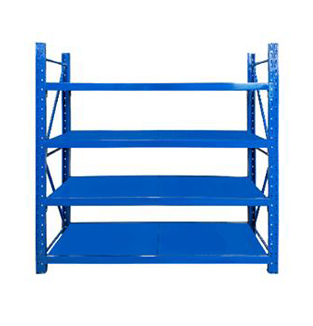
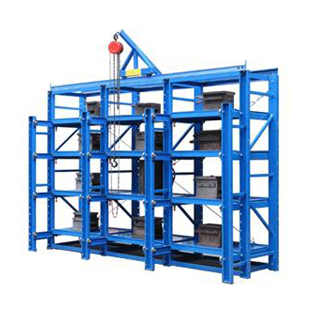
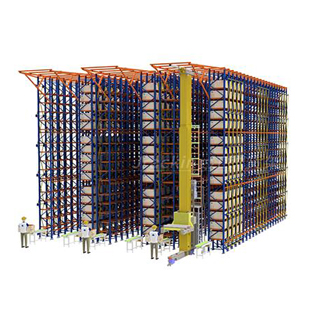
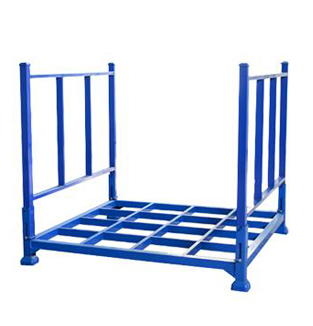
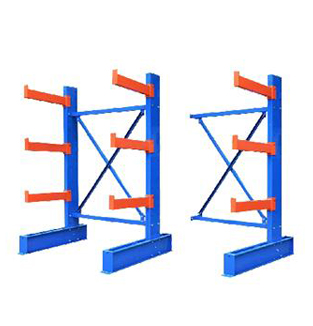
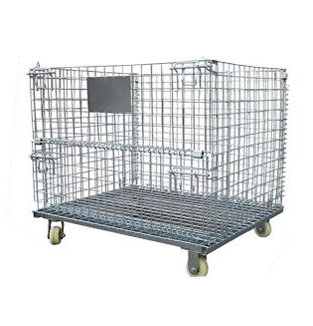
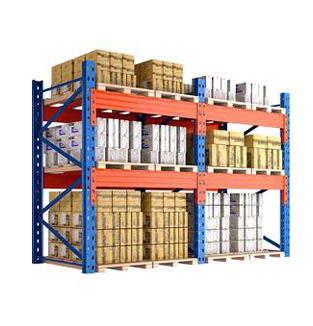
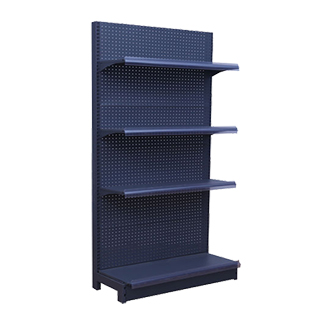



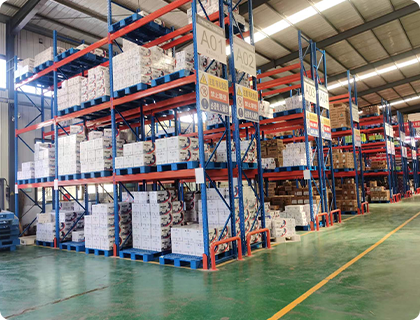
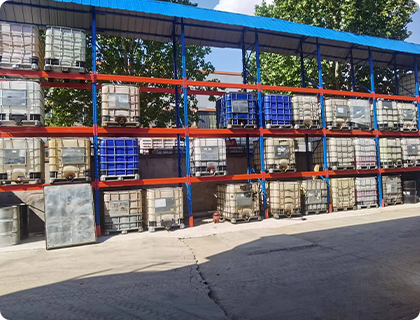
A warehouse racking system is an engineered storage structure designed to store pallets, cartons, long materials, or heavy goods vertically and efficiently. Unlike ordinary shelving, warehouse racking uses uprights, beams, pallet positions, rack accessories, safety guards, and forklift aisles to increase storage density, improve inventory visibility, and speed up picking operations.
You may need a warehouse racking system when floor stacking is wasting space, products are difficult to locate, pallet movement is slow, or your warehouse is expanding. It is commonly used in small warehouses, industrial storage facilities, heavy-duty cargo areas, e-commerce fulfillment centers, manufacturing plants, wholesale distribution centers, cold storage warehouses, and logistics hubs.
The right racking solution can help you maximize cubic space, protect goods from damage, improve forklift workflow, and support safer warehouse operations. Whether you store standard pallets, steel pipes, furniture, cartons, molds, or high-SKU inventory, choosing the correct rack type is essential for long-term storage efficiency and operational safety.
Types of Warehouse Racking Systems Compared
Different warehouse racking systems are designed for different storage methods, load capacities, picking frequencies, and warehouse layouts. The best option depends on your pallet size, SKU quantity, turnover rate, forklift type, ceiling height, and whether you need FIFO or LIFO inventory control.
Below is a practical comparison of common warehouse racking types.
| Racking System Type | Best For | Main Advantages | Limitations |
|---|---|---|---|
| Selective Pallet Racking System | High-SKU warehouses, retail distribution, general pallet storage | Direct access to every pallet, flexible layout, easy installation | Lower storage density than drive-in systems |
| Drive-In / Drive-Through Racking | Low-SKU, high-volume pallet storage | High-density storage, maximizes warehouse space | Limited pallet accessibility; requires careful forklift operation |
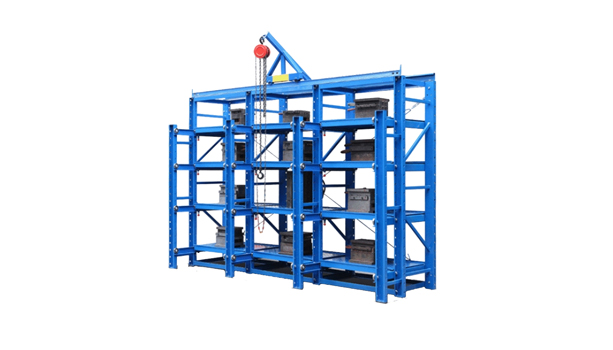
| Heavy-Duty Industrial Racking | Heavy pallets, machinery parts, molds, industrial goods | Strong load capacity, durable steel structure, suitable for demanding environments | Requires accurate load calculation and professional installation |
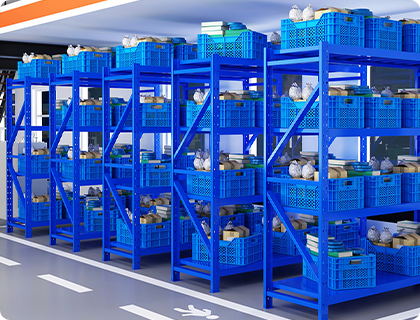
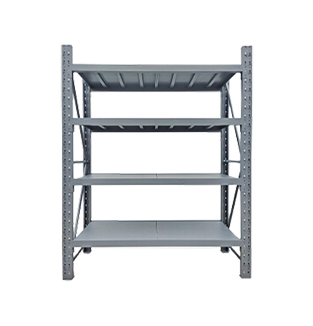
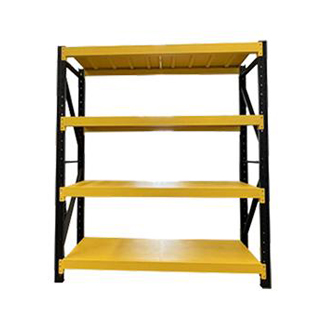
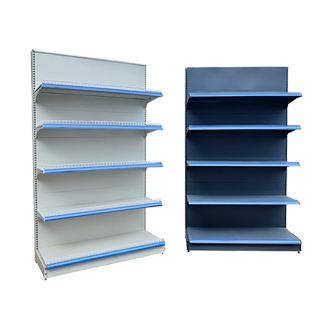
| Light-Duty Shelving | Small cartons, spare parts, tools, hand-picking areas | Cost-effective, easy to adjust, suitable for manual picking | Not suitable for heavy palletized goods |
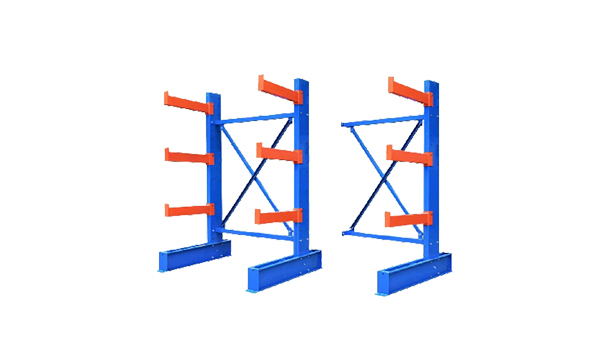
| Cantilever Racking | Long items such as pipes, timber, profiles, furniture, steel bars | Open-front design, easy loading of oversized materials | Requires enough aisle width and load planning |
| Pallet Flow Racking | FIFO inventory, food, beverage, FMCG, high-turnover goods | Automatic pallet movement, efficient picking, good stock rotation | Higher upfront investment |
| Push Back Racking | Medium-SKU, high-density storage | Stores multiple pallets deep, improves space utilization | Usually LIFO inventory flow |
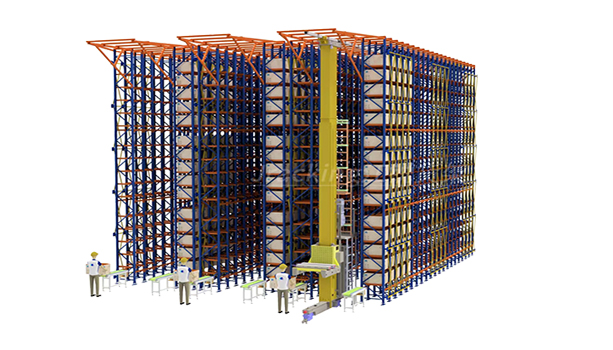
| Automated Racking / ASRS | Large warehouses, high throughput, advanced logistics | High efficiency, reduced labor, accurate inventory control | Higher initial cost and technical requirements |
For most warehouses, selective pallet racking is the most common starting point because it offers flexibility, direct pallet access, and compatibility with standard forklifts. However, for companies that prioritize high-density storage, drive-in racking, pallet flow racking, or automated warehouse racking systems may provide better long-term value.
How to Choose the Best Warehouse Racking System for Your Storage Needs?
Choosing the best warehouse racking system is not only about price. A well-designed system should match your products, handling equipment, warehouse building, daily workflow, and future growth plans.
1. Identify Your Product Type and Load Capacity
Start by confirming the dimensions and weight of your goods:
Pallet size and pallet weight
Carton size and picking method
Product height, width, and depth
Unit load weight per beam level
Maximum load per bay
Special storage requirements, such as cold storage or corrosion resistance
If you handle heavy pallets, molds, machinery parts, or industrial components, you may need a Heavy-duty Warehouse Racking System with stronger upright frames, thicker beams, and reinforced footplates.
2. Consider SKU Quantity and Inventory Turnover
Your SKU structure directly affects the racking choice.
| Storage Requirement | Recommended Racking System |
|---|---|
| High SKU quantity with frequent picking | Selective pallet racking |
| Low SKU quantity with high pallet volume | Drive-in racking |
| FIFO inventory rotation | Pallet flow racking |
| LIFO dense storage | Push back racking |
| Long or irregular materials | Cantilever racking |
| Small warehouse with limited space | Selective racking, mezzanine, or narrow aisle racking |
| High automation and fast throughput | Automated Warehouse Racking System solutions |
For e-commerce warehouses with many SKUs, direct access and fast picking are usually more important than maximum density. For manufacturers storing bulk raw materials, high-density systems may be more cost-effective.
3. Evaluate Warehouse Layout and Forklift Aisles
A professional racking layout should consider:
Warehouse length, width, and clear height
Column positions and wall clearance
Fire exits and emergency routes
Loading dock positions
Forklift turning radius
Aisle width requirements
Sprinkler and lighting systems
Floor load-bearing capacity
For small warehouses, a Warehouse Racking System for small warehouses should maximize vertical space while maintaining safe forklift access. Narrow aisle pallet racking or mezzanine racking can help improve space utilization when floor area is limited.
4. Plan for Future Expansion
Your racking system should support business growth. Modular pallet racking systems allow you to add more bays, change beam levels, or integrate accessories such as pallet supports, wire decking, rack protectors, row spacers, and safety barriers.
If your warehouse is moving toward digital inventory management, an Automated Warehouse Racking System or semi-automated solution may also be worth considering.
How to Install Warehouse Racking?
Warehouse racking installation should be performed according to engineered drawings, local safety standards, and manufacturer specifications. Incorrect installation can reduce load capacity, increase collapse risk, and create serious warehouse safety hazards.
Step-by-Step Warehouse Racking Installation Process
Site Measurement and Layout Confirmation
Measure the warehouse dimensions, ceiling height, floor condition, column positions, doors, docks, and forklift routes. Confirm the final racking layout before installation.Check Floor Conditions
The concrete floor must be strong and level enough to support the racking system and stored loads. Heavy-duty warehouse racking may require floor load verification.Prepare Components
Inspect uprights, beams, bracing, base plates, anchors, safety pins, pallet supports, decking, and accessories before assembly. Do not install damaged components.Assemble Upright Frames
Connect upright columns with horizontal and diagonal braces. Ensure frames are square, vertical, and correctly positioned.Install Beams and Locking Pins
Attach beams at the correct height according to pallet dimensions and load requirements. Install safety locks or beam connectors properly.Anchor Racking to the Floor
Use appropriate anchor bolts and base plates. Anchoring is critical for rack stability, especially in forklift operation areas.Install Accessories
Add pallet supports, wire mesh decking, row spacers, column protectors, guardrails, backstops, and rack labels where required.Final Inspection and Load Signage
Check plumbness, alignment, beam engagement, anchor tightness, and aisle clearance. Display load capacity signs clearly on the racking system.
Custom Warehouse Racking Solutions
Not sure which warehouse racking system is right for your facility? A professional rack supplier can help you evaluate your storage needs, measure your warehouse, design an efficient layout, calculate load capacity, and recommend the most cost-effective solution.
At Chaoyu Rack, we provide warehouse racking systems for pallet storage, heavy-duty industrial storage, small warehouses, automated storage projects, accessories, delivery, and installation support. Whether you need a new racking system, a heavy-duty pallet rack, cantilever rack, or a customized warehouse storage layout, our team can help you build a safer and more efficient warehouse. Request a Free Warehouse Racking Layout today.
FAQ
Q: What is a warehouse racking system?
A warehouse racking system is a structured storage solution used to store pallets, cartons, long materials, or heavy goods in vertical levels. It typically includes uprights, beams, connectors, pallet positions, decking, safety accessories, and forklift aisles. Its main purpose is to improve storage density, inventory access, and warehouse efficiency.
Q: What are the main types of warehouse racking systems?
Common types include selective pallet racking, drive-in racking, drive-through racking, heavy-duty industrial racking, light-duty shelving, cantilever racking, pallet flow racking, push back racking, mezzanine racking, and automated racking systems. Each type is designed for different storage density, picking frequency, load capacity, and inventory flow requirements.
Q: How do I choose the best warehouse racking system for my storage needs?
You should consider product size, pallet weight, SKU quantity, turnover rate, forklift type, warehouse height, aisle width, floor load capacity, and whether you need FIFO or LIFO inventory management. For high-SKU warehouses, selective pallet racking is usually suitable. For high-density storage with fewer SKUs, drive-in or push back racking may be better. For long materials, cantilever racking is often the best choice.
Q: How much does a warehouse racking system cost?
The cost depends on rack type, steel thickness, load capacity, warehouse size, number of pallet positions, accessories, installation requirements, and shipping distance. Light-duty shelving is usually more affordable, while heavy-duty pallet racking, pallet flow systems, and automated racking solutions require a higher investment. The most accurate way to estimate cost is to request a layout-based quotation.
Q: What load capacity do I need for warehouse racking?
Load capacity depends on the weight of each pallet or product unit, the number of levels, beam length, upright height, and bay configuration. You should calculate both the load per beam level and the total load per bay. Never exceed the rated capacity provided by the manufacturer. For heavy-duty applications, professional load calculation is strongly recommended.
Q: Do warehouse racking systems need permits or inspections?
In many regions, warehouse racking systems may need to comply with local building codes, fire safety rules, seismic requirements, and occupational safety standards. Some projects may require permits, engineering drawings, or third-party inspections. Requirements vary by country and location, so it is best to consult local authorities or a qualified racking supplier before installation.
Q: Is it safe to buy a used warehouse racking system?
Used warehouse racking can be safe only if it is carefully inspected, structurally sound, and suitable for your load requirements. However, damaged uprights, bent beams, missing locking pins, corrosion, or unknown load ratings can create safety risks. For heavy-duty storage or high-traffic warehouses, new racking with verified specifications is usually the safer long-term choice.
Q: How often should warehouse racking be inspected and maintained?
Warehouse racking should be visually checked regularly, especially in areas with frequent forklift traffic. A detailed inspection should be performed periodically by trained personnel or a professional supplier. Any damaged beams, uprights, anchors, or safety accessories should be repaired or replaced promptly. Regular maintenance helps prevent accidents and extends the service life of the racking system.