English
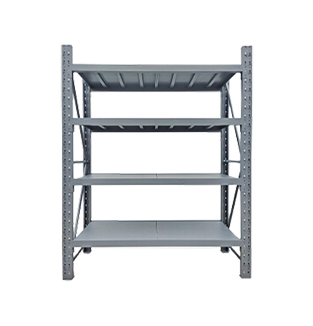
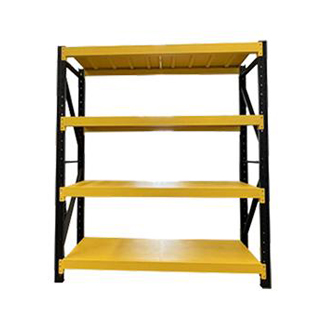
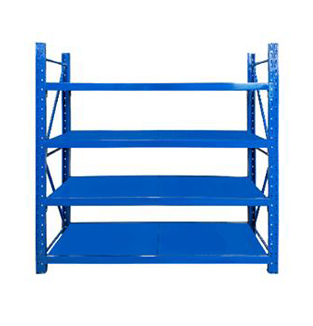
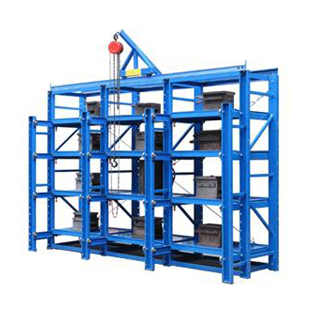
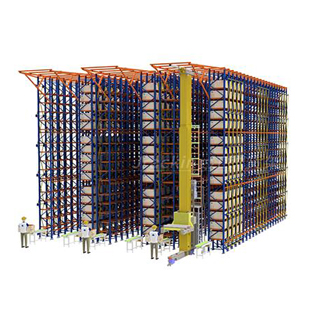
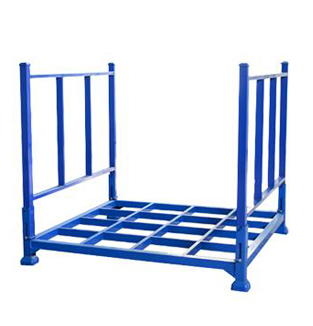
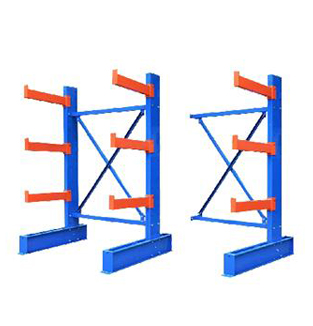
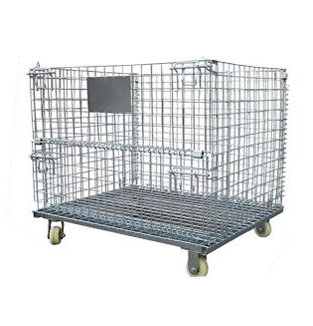
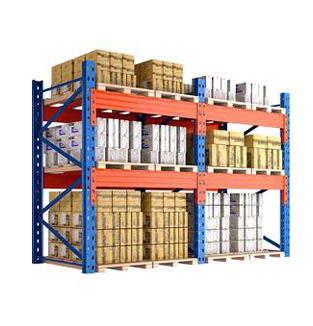
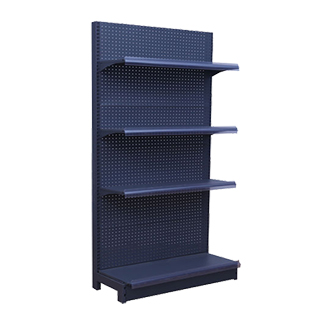
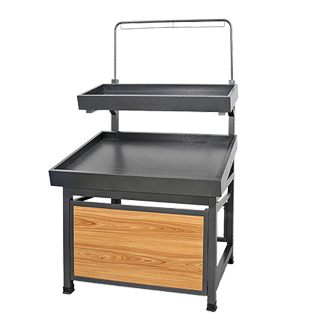
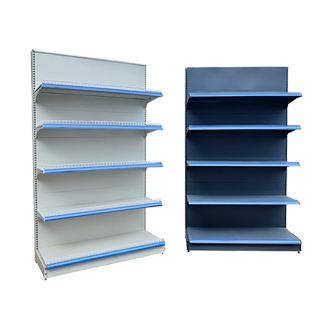



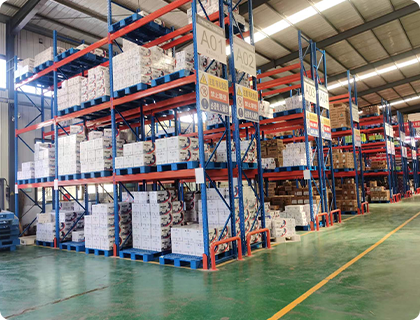
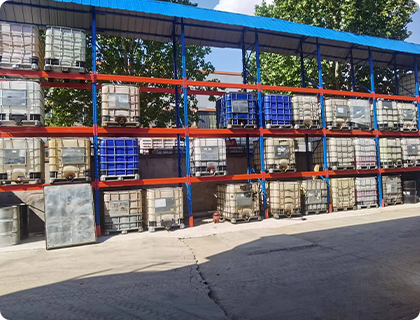
Light duty shelving is generally used for small cartons, tools, documents and manually picked items. Medium duty shelving is designed for heavier cartons, spare parts and bulk goods that are still loaded by hand. Heavy duty shelving and pallet racking are used for dense, oversized or palletized loads that may require forklifts or other material-handling equipment.
This guide compares the three shelving categories and explains how warehouses, distribution centers, workshops, stockrooms and retail backrooms can choose the right system for their operations.
Quick answer: Choose light duty shelving for small manually handled goods, medium duty shelving for heavier cartons and components, and heavy duty racking for high-load, bulky or palletized inventory. Always compare the required load per level, bay dimensions and handling method before requesting a quotation.
Light Duty vs Medium Duty vs Heavy Duty Shelving at a Glance
| Comparison Factor | Light Duty Shelving | Medium Duty Shelving | Heavy Duty Shelving or Racking |
|---|---|---|---|
| Typical use | Small cartons, tools, documents and lightweight components | Large cartons, spare parts, industrial components and bulk stock | Pallets, machinery parts, dies, molds and high-density industrial goods |
| Typical loading method | Manual loading and picking | Primarily manual loading, sometimes supported by carts or lifting equipment | Forklift, stacker, crane or other material-handling equipment |
| Typical capacity range | Approximately 100–300 kg per shelf level | Approximately 300–800 kg per shelf level | Approximately 800 kg or more per level, depending on the system |
| Common structure | Angle posts, boltless uprights and adjustable shelves | Reinforced uprights, beams and steel, wood or wire decking | Heavy uprights, load beams, bracing and pallet support components |
| Storage access | Direct manual access | Direct manual access to cartons and components | Forklift or mechanical access, depending on rack height and load |
| Best for | Stockrooms, offices, workshops and ecommerce picking areas | Warehouses, auto parts storage and industrial stockrooms | Distribution centers, manufacturing plants and pallet warehouses |
| Relative investment | Lower | Moderate | Higher, with more engineering and installation requirements |
Note: Load classifications are not universal. Different manufacturers may use different capacity ranges for light, medium and heavy duty shelving. The final design should be based on the rated load of the complete rack system rather than the product name alone.
What Is Light Duty Shelving?
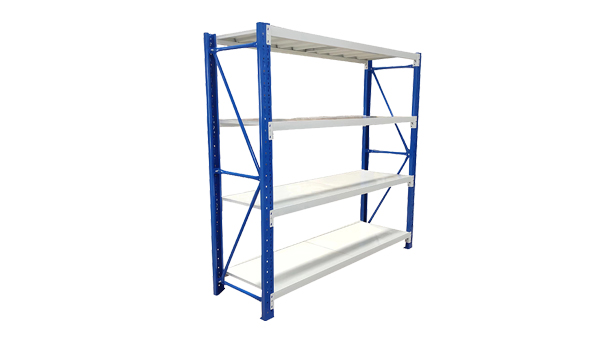
Light duty shelving is a manually operated storage system designed for relatively small and lightweight goods. It is commonly used where employees need frequent and direct access to individual cartons, tools, files, packaged products or components.
The shelves are normally adjustable, allowing the vertical spacing to be changed as inventory dimensions change. Depending on the design, the rack may use bolted angle posts, boltless uprights, steel panels, wire decking, wood panels or other shelf materials.
Common Applications of Light Duty Shelving
Small warehouse stockrooms
Retail store backrooms
Ecommerce order-picking areas
Office document and archive storage
Hardware and tool storage
Electronics and small components
Maintenance and repair workshops
Small spare-parts inventories
Main Advantages
Easy manual access: Workers can pick individual products without using forklifts.
Adjustable shelf levels: Shelf spacing can be changed to suit cartons of different heights.
Simple installation: Boltless systems can usually be assembled faster than complex industrial racks.
Lower initial investment: Light duty systems generally use less steel and require less engineering.
Flexible layouts: They can be arranged as wall units, double-sided rows or compact picking zones.
Limitations
Light duty shelving should not be used simply because the individual products are small. A shelf filled with metal parts, liquids, books or tightly packed cartons can become much heavier than expected. Long shelf spans may also require reinforcement even when the total load appears moderate.
Before purchasing, calculate the maximum weight placed on each shelf level and confirm whether the load will be evenly distributed. Concentrated point loads can create greater stress than evenly distributed cartons.
What Is Medium Duty Shelving?
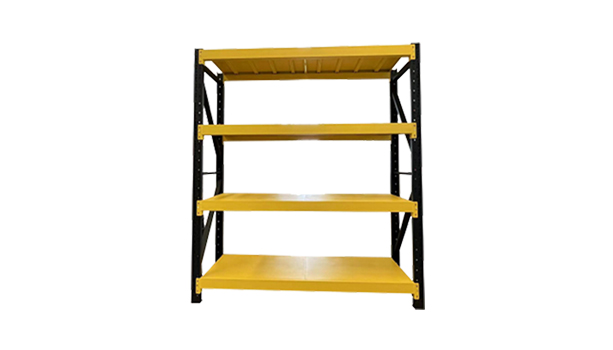
Medium duty shelving is positioned between basic light duty shelving and high-capacity industrial racking. It is commonly selected for goods that are too heavy, too large or too dense for standard light duty shelves but are still handled manually.
A medium duty system normally uses stronger uprights, horizontal beams and reinforced shelf panels. Depending on the application, the shelves may be made from steel panels, plywood, MDF boards, wire mesh or galvanized decking.
Common Applications of Medium Duty Shelving
Automotive spare-parts warehouses
Industrial component storage
Carton and package storage
Manufacturing work-in-process inventory
Electrical and mechanical parts storage
Wholesale distribution warehouses
Maintenance, repair and operations stockrooms
Multi-level manual picking systems
Main Advantages
Higher capacity: It can support heavier cartons and components than standard light duty shelving.
Longer shelf spans: Reinforced beams allow wider bays and fewer vertical posts.
Manual picking efficiency: Goods remain directly accessible without requiring pallet-handling equipment.
Flexible decking: Different shelf materials can be selected according to the goods and environment.
Expandable configuration: Starter and add-on bays allow the storage system to grow with the warehouse.
When Medium Duty Shelving Is the Better Choice
Medium duty shelving is usually the better option when workers are manually handling products but the total load per level exceeds the practical capacity of light duty shelving. It is also useful when the shelf span must be wider to store large cartons, long components or multiple product bins.
For example, a warehouse storing automotive brake parts, motors, machine components or dense packaged hardware may need medium duty shelving even if each item can still be lifted manually.
What Is Heavy Duty Shelving?
Heavy duty shelving and racking are designed for high-load industrial storage. Depending on the system, goods may be stored on steel shelves, reinforced decks, support bars or pallets placed directly on load beams.
Heavy duty storage systems often require more detailed engineering because rack height, beam length, load distribution, floor conditions, forklift access and seismic or local structural requirements may affect the final design.
Common Applications of Heavy Duty Racking
Palletized warehouse inventory
Manufacturing raw materials
Heavy machinery components
Automotive and industrial assemblies
Injection molds and dies
Metal coils, plates and fabricated parts
High-bay distribution centers
Bulk goods stored in large containers
Main Advantages
High load capacity: Designed for dense, oversized or palletized goods.
Better use of vertical space: Heavy duty systems can be designed for taller warehouse layouts.
Forklift compatibility: Pallets and heavy goods can be moved mechanically.
Multiple configurations: Options include selective pallet racking, drive-in racking, cantilever racking, mold racking and other engineered systems.
Scalable warehouse design: Rack layouts can be developed around pallet flow, order volume and inventory rotation.
Heavy Duty Shelving vs Pallet Racking
The terms “heavy duty shelving” and “pallet racking” are sometimes used interchangeably, but they are not always the same.
Heavy duty shelving may use reinforced shelf panels for large goods that are loaded individually. Pallet racking, by comparison, is specifically designed to store palletized loads on horizontal beams. The correct choice depends on whether workers access individual items or handle complete pallets.
| Storage Requirement | Recommended Option |
|---|---|
| Workers pick individual heavy items by hand | Heavy duty shelving with reinforced decking |
| Complete pallets are moved by forklift | Selective pallet racking or another pallet storage system |
| Long pipes, profiles or timber must be stored | Cantilever racking |
| Heavy molds or dies require drawer access | Mold storage racking |
| Stackable loads must be moved around the warehouse | Stacking stillage racks |
Key Differences Between Light, Medium and Heavy Duty Shelving
1. Load Capacity
Load capacity is the most obvious difference, but it must be evaluated correctly. Buyers should confirm whether the stated capacity applies to one shelf, one complete bay or the entire rack.
The quotation should also specify whether the capacity assumes a uniformly distributed load. If a heavy machine part is placed in the center of a shelf, the stress may be different from the same weight distributed across multiple cartons.
2. Upright and Beam Structure
Light duty shelving generally uses thinner uprights and simpler shelf supports. Medium duty shelving uses reinforced posts and beams to provide greater capacity and longer spans. Heavy duty racking requires stronger upright frames, bracing, load beams and safety components.
Steel thickness alone should not be used to compare rack quality. The shape of the profile, number of bends, connection design, bracing pattern, beam structure and complete-system testing all influence performance.
3. Shelf Materials
Common shelf and decking options include:
Steel panels: Durable, easy to clean and suitable for many warehouse environments.
Wire decking: Supports ventilation, visibility and water penetration in some fire-protection layouts.
MDF or plywood panels: Cost-effective for cartons and dry indoor storage.
Galvanized panels: Suitable where additional corrosion resistance is required.
Support bars: Used to reinforce pallets, containers or concentrated loads.
4. Handling Method
Light and medium duty shelving are usually designed around manual picking. Heavy duty systems may require forklifts, stackers, pallet trucks, cranes or other equipment.
The handling method influences aisle width, rack depth, rack height and safety requirements. A warehouse using forklifts needs sufficient operating clearance and protection against rack impact.
5. Bay Dimensions
Longer shelf spans create greater beam deflection and may reduce the allowable load. Buyers should provide the dimensions and weight of the stored goods instead of selecting a rack based only on an advertised capacity.
A smaller bay with multiple shelf levels may be more suitable for dense components, while a wider bay may improve access to large cartons or irregular goods.
6. Installation Requirements
Basic light duty shelving may be freestanding and relatively easy to assemble. Medium duty and heavy duty systems may require floor anchoring, row spacers, wall connections, column protectors, safety locks and professional installation.
The installation method should follow the approved rack drawing and the supplier’s instructions. Buyers should not change beam levels, add shelf loads or modify structural components without confirming the effect on capacity.
7. Cost
The cost of a shelving system depends on more than its duty classification. Major cost factors include:
Required load per level
Rack height, width and depth
Number of shelf levels
Steel thickness and profile design
Decking material
Surface treatment and color
Starter and add-on bay quantities
Safety accessories
Custom engineering
Packaging and container loading
Installation requirements
Choosing a higher-capacity rack than necessary can increase the project cost. However, selecting a system with insufficient capacity creates operational and safety risks. The objective is to match the rack design to the actual load and workflow.
How to Choose the Right Shelving System
Step 1: Calculate the Maximum Load per Shelf Level
Do not use the average shelf load. Calculate the maximum possible load during peak inventory periods. Include the weight of cartons, containers, packaging and any shelf accessories.
For example, if one shelf level stores 12 cartons weighing 25 kg each, the product load is already 300 kg. A light duty rack advertised for approximately 200 kg per level would not be suitable.
Step 2: Record the Product Dimensions
Measure the length, width and height of the largest stored goods. The shelf depth should support the products without excessive overhang, while the clear vertical opening should allow easy loading and picking.
Step 3: Determine the Handling Method
Ask how the goods will move through the facility:
Will employees pick individual items manually?
Will cartons be moved with carts or pallet trucks?
Will forklifts load complete pallets?
Will cranes be used for molds or machinery components?
Does the warehouse require FIFO or LIFO inventory rotation?
Step 4: Evaluate Warehouse Height and Aisle Width
Low-level shelving may be sufficient for frequently picked products, but taller systems can improve storage density. The design must still provide safe access to upper levels.
For forklift-operated racking, the aisle width should be coordinated with the forklift model, turning radius, pallet dimensions and load size.
Step 5: Consider Future Inventory Growth
A shelving system should not only meet current capacity. Buyers should consider whether inventory volumes, product dimensions or handling methods may change over the next several years.
Modular starter and add-on bays can make future expansion easier. However, adding new rack rows also requires sufficient floor space, access routes and fire-safety clearance.
Step 6: Confirm the Storage Environment
Temperature, moisture, dust, cleaning requirements and corrosion exposure may affect the selected material and surface treatment.
Powder-coated steel is widely used for indoor warehouses, while galvanized components may be considered for humid or more demanding environments. Food, cold-room or chemical storage projects may require additional material and compliance considerations.
Which Shelving Type Is Best for Different Applications?
| Application | Likely Suitable System | Reason |
|---|---|---|
| Office archives | Light duty shelving | Manual access and relatively small boxes |
| Ecommerce picking area | Light or medium duty shelving | Depends on carton density and shelf span |
| Automotive spare parts | Medium duty shelving | Dense components require stronger shelves but remain manually picked |
| Retail backroom inventory | Light or medium duty shelving | Direct access to cartons and replenishment stock |
| Industrial components | Medium or heavy duty shelving | Selection depends on component weight and handling equipment |
| Palletized finished goods | Heavy duty pallet racking | Forklift-operated storage of complete pallets |
| Injection molds | Heavy duty mold racking | High concentrated loads and specialized access requirements |
| Long pipes and profiles | Heavy duty cantilever racking | Open-front access for long goods |
Common Shelving Selection Mistakes
Choosing by Product Name Alone
“Light duty,” “medium duty” and “heavy duty” are general product categories rather than universal technical standards. Buyers should compare documented capacities, dimensions and structural details.
Ignoring Concentrated Loads
A shelf may support evenly distributed cartons but perform differently when one heavy component is placed in the center. Provide the supplier with information about the shape and contact area of the goods.
Not Allowing for Inventory Growth
A rack designed exactly for the current load may become inadequate when stock levels increase. Include a reasonable growth allowance without unnecessarily overspecifying the entire project.
Using Manual Shelving for Mechanically Handled Loads
If products are stored or moved on pallets, a properly designed pallet racking system is normally more appropriate than standard manual shelving.
Comparing Price Without Comparing Configuration
Two quotations may include different steel profiles, shelf materials, load ratings, safety accessories and quantities of starter or add-on bays. Compare complete technical configurations rather than price per unit alone.
Information to Include in a Shelving RFQ
Providing complete information helps a shelving manufacturer recommend a more accurate and cost-effective solution.
Warehouse layout or available floor dimensions
Required rack height, width and depth
Maximum load per shelf level
Maximum load per complete bay
Product or carton dimensions
Number of shelf levels
Manual, pallet truck or forklift handling
Required shelf material
Preferred surface treatment and color
Indoor, outdoor, humid or cold-room environment
Required quantity
Delivery country and destination port
Installation requirements
Applicable project standards
Need Help Selecting a Shelving System?
Chaoyu supplies light duty shelving, medium duty shelving, heavy duty racking and custom warehouse storage systems for distributors, industrial facilities, warehouses and commercial projects.
Send us your product dimensions, maximum load per level, warehouse layout and required quantity. Our team can help compare suitable configurations and prepare a rack layout and quotation for your project.
Frequently Asked Questions
What is the difference between light duty and medium duty shelving?
Light duty shelving is normally used for smaller and lighter manually handled goods. Medium duty shelving uses stronger uprights, beams and shelf panels to support heavier cartons, components and wider shelf spans. The exact capacity ranges vary by manufacturer, so buyers should compare the rated load per level.
How much weight can light duty shelving hold?
Many light duty shelving systems are designed for approximately 100–300 kg per level, but the actual capacity depends on the rack dimensions, shelf material, upright structure and load distribution. Always use the capacity specified for the complete configured rack.
When should I choose medium duty shelving?
Medium duty shelving is suitable when products are still manually picked but are too heavy or bulky for basic light duty shelves. Common examples include automotive parts, industrial components, motors, hardware and dense cartons.
Is heavy duty shelving the same as pallet racking?
Not always. Heavy duty shelving may use reinforced shelf panels for individually handled products, while pallet racking is specifically designed to support palletized loads on beams. The handling method and unit-load format determine which system is more suitable.
Can light, medium and heavy duty shelving be used in the same warehouse?
Yes. Many warehouses use a combination of storage systems. Light duty shelving may be used for small fast-moving items, medium duty shelving for larger cartons and spare parts, and heavy duty pallet racking for bulk reserve inventory.
What information does a manufacturer need to recommend shelving?
A manufacturer normally needs the maximum load per level, product dimensions, rack dimensions, number of shelf levels, handling method, warehouse layout, required quantity and storage environment. Photographs, drawings and pallet specifications can also improve the accuracy of the recommendation.
Conclusion
The main difference between light duty, medium duty and heavy duty shelving is not only load capacity. The systems also differ in structural design, shelf span, handling method, warehouse layout, installation requirements and overall cost.
Light duty shelving is suitable for small manually handled goods. Medium duty shelving provides greater capacity for cartons, spare parts and industrial components. Heavy duty shelving and pallet racking are designed for dense, oversized or palletized loads that may require mechanical handling.
Before choosing a system, calculate the maximum load per level, measure the stored goods, confirm the handling method and evaluate future growth. A properly matched shelving system can improve storage density, picking efficiency and warehouse organization without adding unnecessary cost.
Explore Chaoyu’s complete range of warehouse storage shelving systems, or contact our team to discuss a custom storage solution.